Plagiary
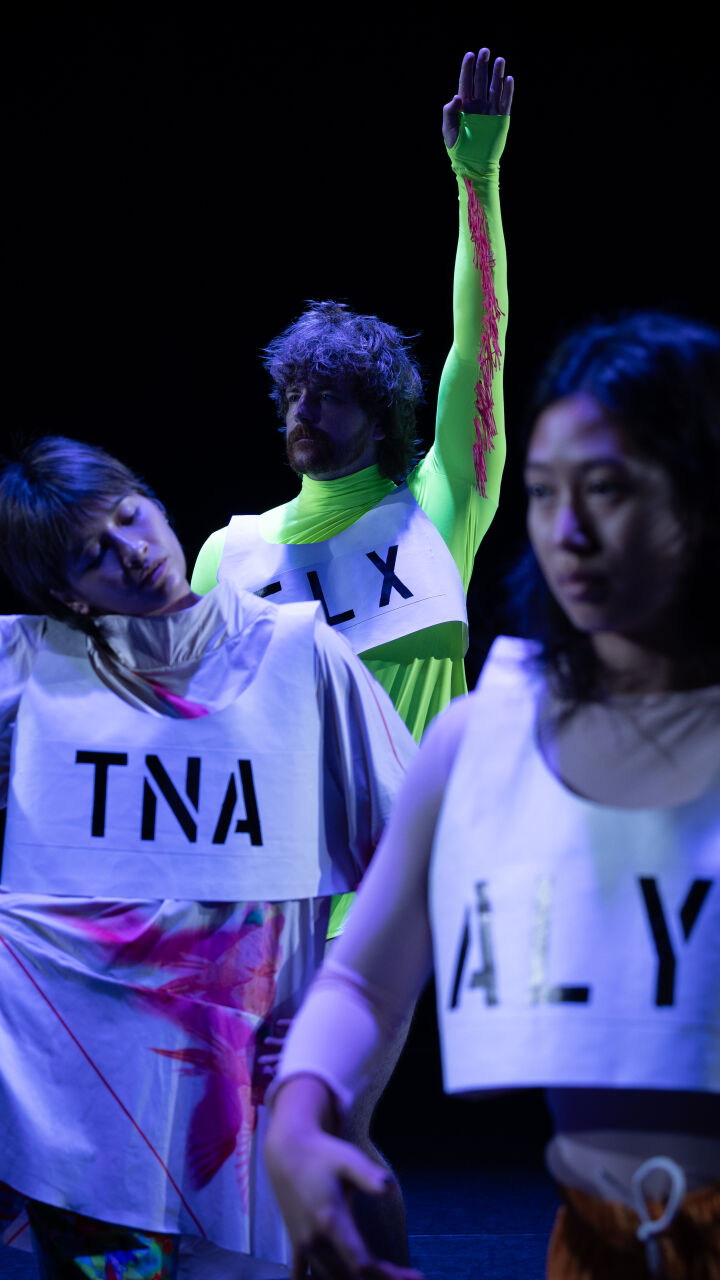
ARTIFICIAL INTELLIGENCE,REAL DANCE.
Credits
Acknowledgements
Warnings
Accessibility
Additional Information
Performance History
Dancenorth Theatre
Gurambilbarra (Townsville City)
2026
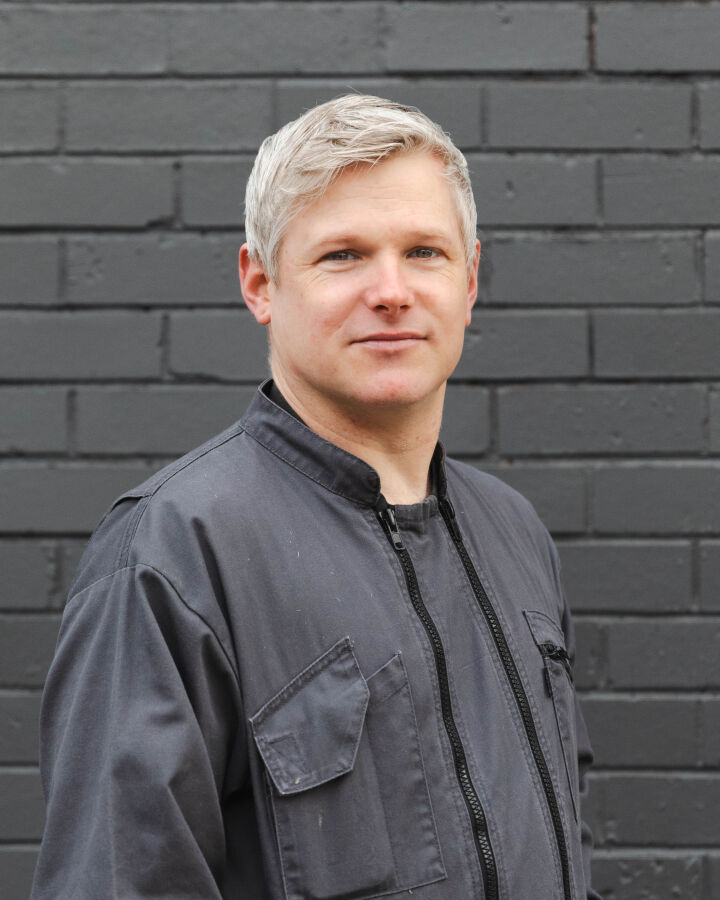
Director's Note
Returning to Dancenorth feels like coming home.
In 2020, I sat inside these very walls during a time of global quiet, looking deeply at my own 20-year history as a dancer and sound artist. I found myself wondering how we might record, pass down, and alter the physical memories of our art form. Bringing this work back to Gurambilbarra (Townsville), to this phenomenal ensemble, is the beautiful completion of a creative circle that started right here.
Plagiary is a playful, intentional collision with our past. The title is a bit of a wink, but the heart of the project is deeply personal. As dancers, our bodies are walking archives. We carry the habits, styles, and ghosts of every teacher, choreographer, and historical giant who came before us. For this work, I wanted to see what happens when we recreate those historical voices, text fragments, and dance manifestos with a digital system, letting a machine fracture our lineage and talk back to us in real time.
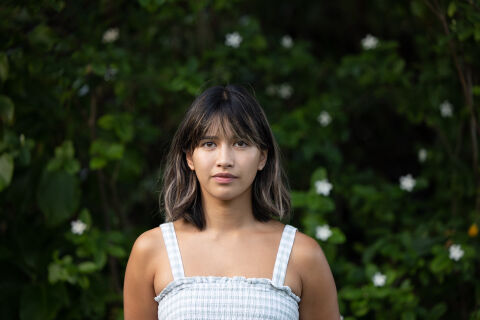
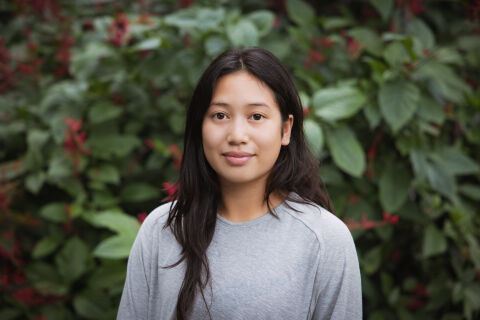
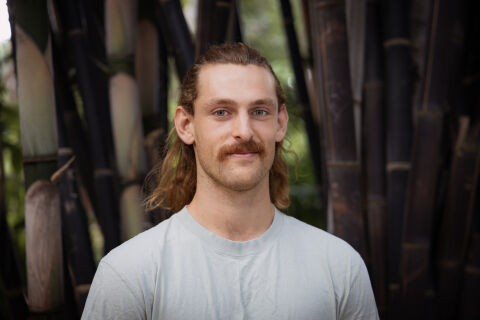
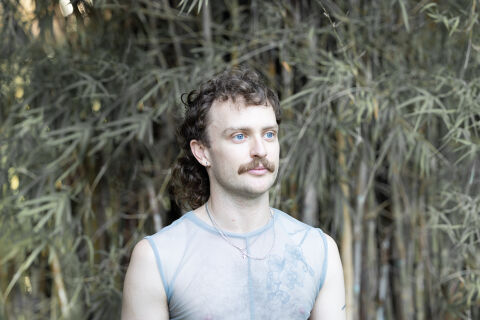
What you will see during this performance is a live duet between these astonishing humans and a digital memory as the dancers hear each unpredictable, spoken prompt for the very first time through their earpieces. They are not just reacting to a system; they are actively wrestling with history right in front of your eyes. A machine can not feel nostalgia, exhaustion, or the heavy, beautiful weight of lineage, but these dancers can. By letting a digital voice prompt their movements, we find a strange, exhilarating new way to honour where we have been, while leaping blindly into the unknown.
About Alisdair Macindoe
Alisdair Macindoe is an Australian independent choreographer, director, performer, composer and sound designer who extends the boundaries of dance by building conceptual frameworks for new ways of moving, making and thinking – using each new work to push his practice into fresh terrain. Based in Melbourne, he works on stolen, unceded Wurundjeri Woi Wurrung land. His practice moves across mediums, collaborators and places, treating choreography as an experimental laboratory where movement and ideas are inseparable, and where the body tests how contemporary life is shaped by language, technology, social systems, and inherited cultural narratives.
“A thrilling and often funny testament to the resilience of the human body in an era increasingly shaped by AI.”Elise Peyronnet, Artistic Director, Now or Never Festival
“A clever and thought-provoking exploration of how AI can expand the boundaries of creative expression while also highlighting the irreplaceable nature of human artistry.”Brendan Daynes, Dance Life Australia
"Plagiary showed that humans can respond creatively to AI, but that AI can’t yet replace human creativity.”Savannah Indigo, ARTSHUB
Q&A with the maker
Where did your interest in AI-generated dance come from?
What were your initial enquiries and how have they changed over time?
How do AI tools change the creative process?
What training data is used for Plagiary’s AI and where was/is it collected from?
Who is the creator of the work if choreography or scripts are AI-generated?
How do you feel about concerns over AI ‘replacing’ traditional art forms and techniques?
How does the environmental sustainability of Plagiary compare to more traditional models of dance making and touring?
Should AI be credited as a collaborator? What about the artists it references?
True Art Takes Time
On the surface, Plagiary might suggest that making art is easy - that we can write an algorithm for the creative process; blindly follow the output; and short-cut our way to being Artists.
In reality, the seeds of this work were sown during an artist residency at Dancenorth in 2020; through almost three decades of Alisdair’s own artistic practice; and in the life-long love of dance held by every performer who brings their unique set of skills, experiences and interpretations to this work.
Dancenorth is committed to investing in independent artists, providing a range of time, space and creative exchange through a suite of programs collectively titled Regional Gravitation.
Since its inception in 2019, Regional Gravitation has provided paid engagement to more than one hundred independent dance artists from across Australia and New Zealand.
While it’s not the primary intention for our residencies to deliver an economic or artistic return beyond an artist’s time in the studio – they continually do.
In 2026, Dancenorth’s program includes four works borne from Regional Gravitation residencies – Plagiary by Alisdair Macindoe, the National tour of Chris Dyke’s Lighting the Dark, and the world premieres of Zane Saunders’ PREFACE and Michelle Heaven’s Sleepless Ones.
We need your help to continue supporting artists in this way.
You can support Dancenorth’s Regional Gravitation program, as well as the creation and touring of new works, and our beloved Community Experience program by making a tax-deductible donation today.
Together, these three programs deliver immeasurable but undeniable artistic, social and economic impact for the communities we serve.